


Expert Quick Take: My Honest Opinion on the 2026 Bezel Trend
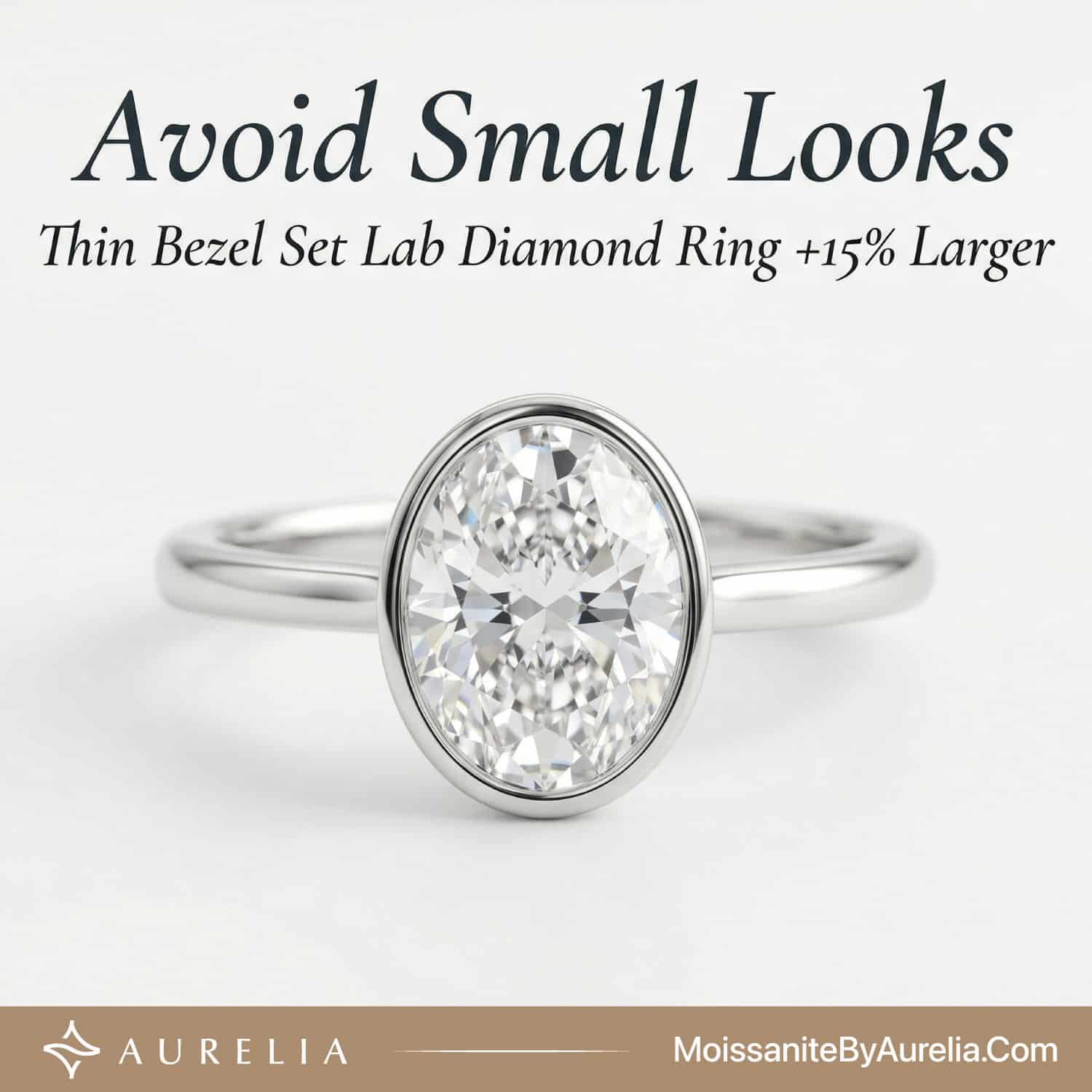
In 2026, a quality bezel set lab diamond engagement ring setting ranges from $790 to $4,500. While outdated 2023 advice claimed bezels “hide” the diamond and make it look smaller, modern precision-laser crafting has changed the game.
A thin, high-polished bezel acts as a mirror, extending the visual diameter of the center stone. This can make a 1.5-carat lab diamond look like a 1.75-carat stone face-up while providing the highest security of any setting type.
The 2026 Bezel Strategy
| If Your Goal Is… | 2026 Bezel Style | Mehedi’s Technical Logic | Mehedi’s 2026 Verdict |
|---|---|---|---|
| Maximum Light & Value | Half-Bezel Tension Set | Leaves the sides open for light entry while maintaining metal walls for security. | The Budget King. At just $790, this offers high-end tension aesthetics for an under-$3,000 total build. |
| Nurse/Active Security | Full Bezel Platinum | 360-degree protection with a zero-snag surface for medical gloves. | Clinical Grade. The absolute best ring for nurses. Worth the Platinum cost ($1,380) for lifelong durability. |
| The “Big Look” Illusion | Thin-Rim High Polish | The metal acts as a reflective frame, tricking the eye into seeing one massive stone. | Visual Expansion. Adds **10–15% visual spread**. Makes a 1.0ct stone look like a 1.25ct solitaire. |
| Modern Fashion Flex | East-West Bezel | Rotates the stone 90 degrees for a bold, horizontal architectural silhouette. | The 2026 Trend. The #1 choice for influencers. Best paired with an Oval or Emerald cut for maximum finger coverage. |
| The 2026 Bezel Verdict: Bezel settings are no longer just “the safe choice”—they are the technical choice. If you prioritize protection, the **Full Bezel Platinum** is an heirloom-grade investment. If you want a modern twist, the **East-West Bezel** provides a unique look that traditional prong settings can’t match. Check James Allen or Blue Nile for their 2026 low-profile setting collections. | |||
My Verdict:
Do not buy an ‘old school’ chunky bezel. Those are for the 90s. In 2026, you want a micro-thin bezel in Platinum. You get the ‘Quiet Luxury’ aesthetic, zero snagging on your clothes, and a ring that can survive a 12-hour hospital shift without losing a stone.
For decades, jewelers told buyers to avoid bezel settings because the thick rim of metal “swallowed” the diamond. The conventional wisdom was: If you want a big look, you need fragile prongs.
That advice is dead. In 2026, precision laser-crafting allows us to create ‘Thin Bezels’ that are as secure as a bank vault but as delicate as a whisper.
When you wrap a brilliant lab-grown diamond in a high-polished rim of white gold or platinum, the metal reflects the diamond’s facets back at the eye. A 2-carat stone suddenly has the ‘visual footprint’ of a 2.30-carat stone. This is the smartest optical illusion in the jewelry industry.”
- The +15% Illusion: How high-polish metal adds “spread.”
- The $2,000 Clarity Hack: Why you can stop buying VVS diamonds.
- The “Fog Trap”: The one maintenance reality Mike Fried missed.
“I see so many healthcare professionals and athletes settle for a tiny solitaire because they are afraid of losing a stone. A bezel allows you to safely max out your carat size without living in fear of a broken prong.”
Diamond IQ Test: Natural or Lab-Grown?
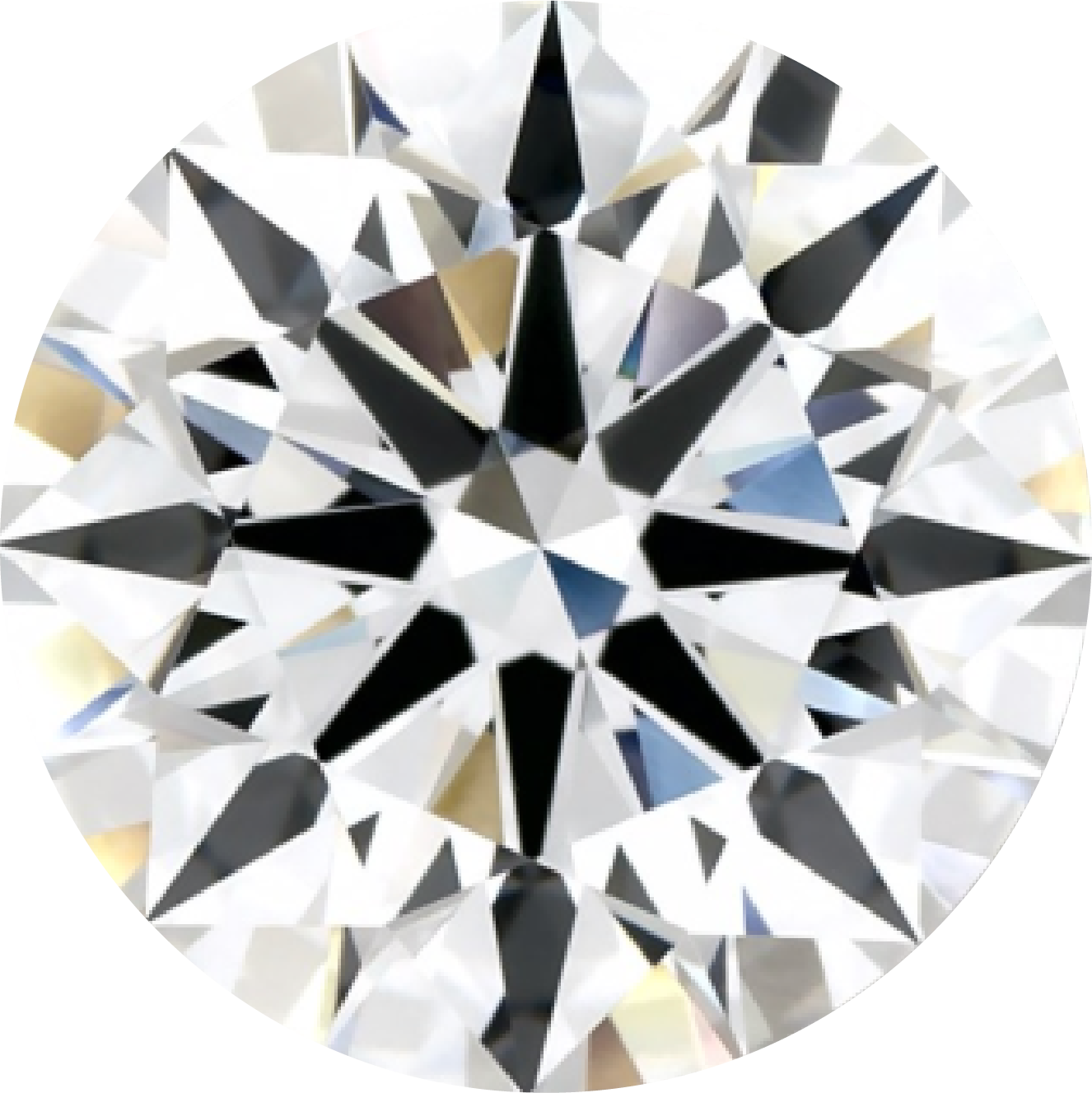
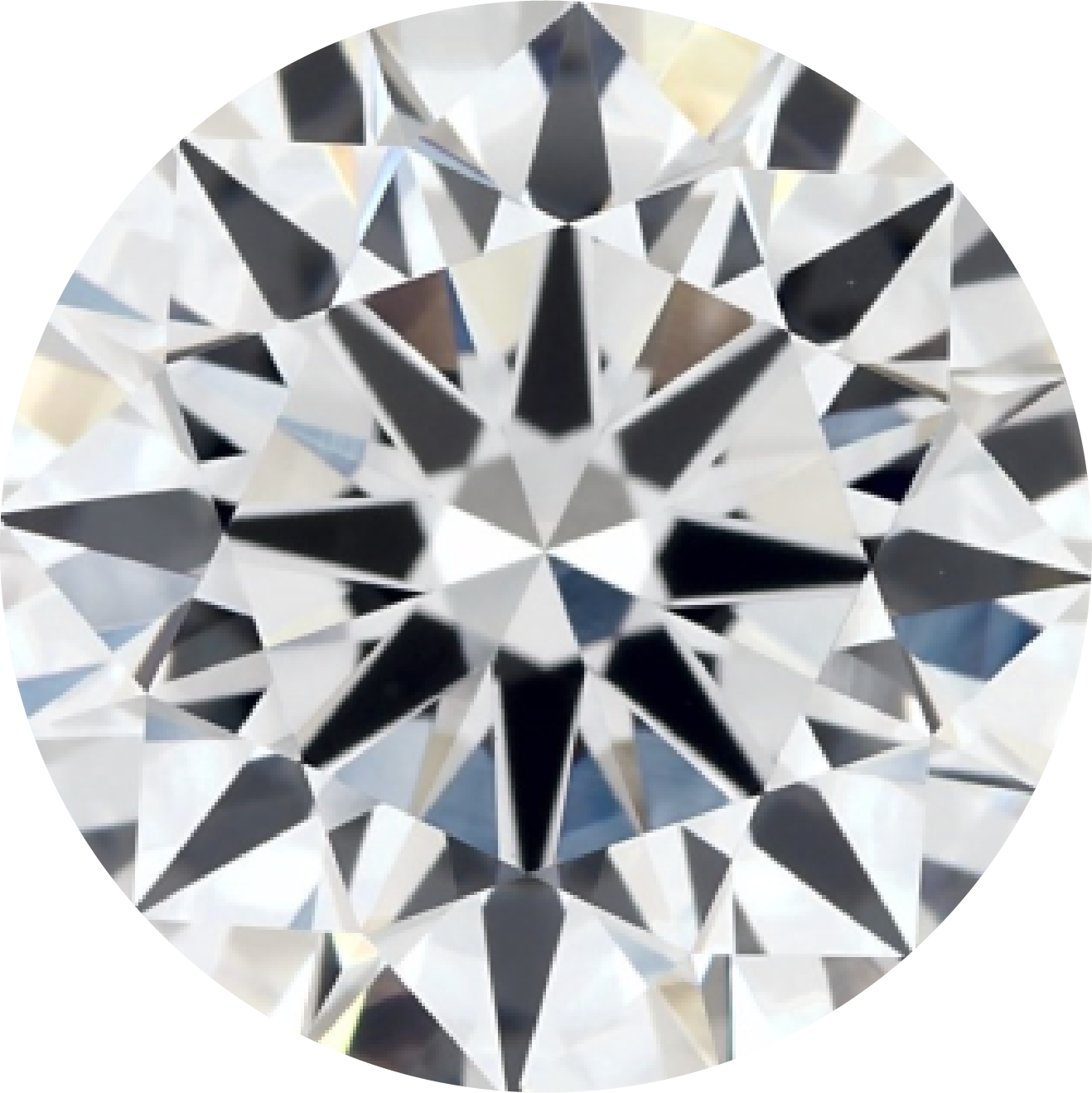
Two identical diamonds: GIA Certified, 1.51ct, D Color, VVS1, Ideal Cut. One is natural ($16,240), the other is lab-grown ($1,970). Choose the diamond you like better and see if you can match it to its origin.
The 2026 Price Matrix: What Does a Bezel Cost?
In 2026, the cost of a bezel setting is dictated by two things: the metal volume (bezels use more gold than prongs) and the labor of the custom fit.
Because every bezel must be hand-adjusted to the specific dimensions of your diamond to ensure a gap-free seal, you are paying for the bench jeweler’s time.
Bezel Setting Prices
Below is the definitive 2026 price list for the most popular bezel styles. Note that these are setting-only prices—you must add the cost of your lab-grown or natural diamond to reach the final total.
Category 1: The Solitaire (Sleek & Minimal)
These are the most popular choices for nurses and active professionals because they offer a totally snag-free profile.
- The Entry-Level Leader: James Allen Tapered Half Bezel Tension Ring (14K Gold) — $790.
- The Modern Standard: Blue Nile Bezel Solitaire (14K White, Yellow, or Rose Gold) — $990.
- The Platinum Upgrade: Blue Nile Bezel Solitaire (Platinum) — $1,380.
- The Designer Solitaire: James Allen Bezel Set Solitaire (14K Gold) — $983 (Sale Price).
Category 2: Accent & Side Stones (The High-Sparkle Path)
If you want the security of a bezel but the “pop” of extra diamonds, these settings incorporate pavé or channel-set stones into the band.
- The Hidden Detail: Blue Nile Petite Hidden Halo Solitaire Plus (Platinum) — $1,196.
- The Wide Band Trend: Blue Nile Wide Band Solitaire Plus (14K Yellow Gold) — $1,233.
- The Channel-Set Classic: Blue Nile Bezel Ring with Channel Set Diamond Accents (14K Gold) — $3,600.
- The 18K Luxury: Blue Nile Bezel Ring with Channel Set Accents (18K Gold) — $3,800.
Category 3: Unique & Three-Stone (The “Statement” Bezel)
These are for buyers who want an architectural look that stands out in a crowd.
- The “Wall of Ice” Flex: James Allen Bezel Set Emerald Cut Side Stone (Platinum) — $3,980.
- The Three-Stone Gold Standard: James Allen Bezel Set Emerald Side Stone (14K Gold) — $3,700.
- The Ultimate Heavyweight: Blue Nile Bezel Ring with Channel Accents (Platinum) — $4,500.
- The Art Deco Revival: Zac Zac Posen Semi-Bezel Pave Engagement Ring (14K Gold) — $1,390.
Mehedi’s Advice: The “Lab Diamond Arbitrage” Strategy
“You do not need to spend $4,000 on a setting to get a safe, stunning ring. In 2026, the smartest move is to buy the $990 Blue Nile Solitaire or the $790 James Allen Half-Bezel. These provide 100% of the structural security you need.
By saving $3,000 on the mounting, you can upgrade from a 1-carat to a massive 3-carat lab-grown diamond. In a thin bezel, a 3-carat stone looks like a 3.5-carat masterpiece. Check out Blue Nile promo codes to see if you can knock another 15% off these setting prices today.”
The GIA “Clarity Hack”: Save $2,000 Instantly
In 2026, the most effective way to maximize your budget is to stop paying for “microscopic perfection” that no one will ever see. When you choose a bezel setting, you are buying a built-in camouflage system for your diamond’s inclusions.
Why You Should Never Buy VVS Clarity for a Bezel
The Expert Secret:
Traditional prong settings leave the sides (the girdle) and the pavilion of a diamond completely exposed. Because prongs only touch the stone at four or six tiny points, any inclusions near the edges are visible from the side profile.
In a bezel setting, a continuous rim of metal covers the entire outer perimeter (girdle) of the stone. This metal “collar” doesn’t just protect the diamond; it acts as a permanent mask for its flaws.
The Money Tip: “Drop the Clarity, Bump the Carat”
“If a diamond has black crystals, feathers, or pinpoints near its outer edges, a prong setting will put them on display. A bezel setting will completely bury them under a wall of 14k gold or platinum.
Because of this, you can confidently drop your lab grown diamond price specs from VVS1 down to SI1 or VS2.“
2026 Price Arbitrage: Clarity Savings
As we move into 2026, the price gap for larger lab-grown diamonds remains significant. By leveraging the “Bezel Hack,” you can redirect thousands of dollars into a larger stone.
| Diamond Carat (Lab) | VVS1 Price (2026) | VS2/SI1 Price (Bezel Hack) | Instant Savings | Pro Technical Reasoning |
|---|---|---|---|---|
| 2.0 Carat (D Color) | ~$2,550 | ~$1,450 | $1,100 | Bezels cover girdle-area inclusions. SI1 stones look identical to VVS1 once set. |
| 3.0 Carat (F Color) | ~$4,800 | ~$2,790 | $2,010 | F-color provides maximum “icy” look. Redirecting clarity savings pays for a Platinum setting upgrade. |
| 4.0 Carat (E Color) | ~$9,300 | ~$3,480 | $5,820 | Massive ROI. The “Bezel Hack” is most effective at high carats where clarity premiums are disproportionately expensive. |
| The 2026 Value Verdict: In a Bezel setting, the metal rim acts as a permanent “flaw-mask.” For high-carat lab diamonds, paying the VVS1 premium is technically unnecessary for eye-clean beauty. By selecting a high-polish bezel, you also add roughly 10% visual spread, making these stones appear even larger than their weight suggests. | ||||
Mehedi’s Verdict:
In a bezel setting, the difference between a VVS1 and an eye-clean VS2 is mathematically zero to the naked eye. You are saving over $2,000 on a 3-carat stone by simply letting the metal rim do its job.
Take that $2,000 and upgrade your metal to Platinum or put it toward a 1.5 carat emerald cut diamond for your side stones.”
Before you settle on a clarity grade, check my detailed guide on VS1 vs VS2 Diamond to learn how to identify “edge-only” inclusions that are perfect for a bezel.
Full Bezel vs. Half Bezel: Security vs. Sparkle
When choosing between a full or half (partial) bezel in 2026, you are essentially balancing “Light Access” against “Total Defense.”
While both styles outperform prongs in durability, they interact with your diamond’s light performance in very different ways.
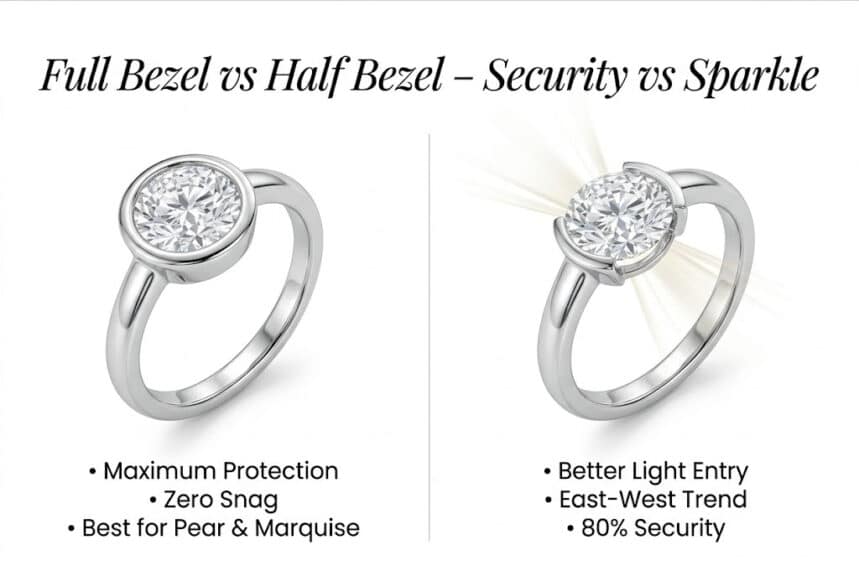
Which Bezel Setting Lets in More Light?
The Full Bezel ($990+)
This style wraps a continuous 360-degree rim of metal around the stone.
- The Advantage: It offers the Maximum Protection possible in modern jewelry. Because the entire girdle (edge) is encased in metal, it is the only setting I recommend for “fragile” shapes like Pears, Marquises, and Princess cuts.
These shapes have sharp points or corners that are prone to chipping; a full bezel acts as a shock-absorber for those vulnerable tips. - The Trade-off: By walling in the sides, you block light from entering through the pavilion. While an Excellent cut diamond will still sparkle from the top, a full bezel can slightly mute the “side-fire.”
The Half Bezel ($790)
Also known as a semi-bezel, this style only covers two sides of the diamond (typically East-West or North-South).
- The Advantage: Because the sides are left open, the diamond can “breathe.” It allows significantly more light to enter the pavilion, generating the rainbow-colored “fire” that bezel lovers often crave. It’s a middle ground that provides 80% of the security with 100% of the sparkle.
- The 2026 Trend: The East-West Half Bezel is the breakout style of the year. By setting elongated stones (like Ovals or Emerald cuts) horizontally across the finger, you get a modern, architectural look that makes the stone appear wider and more substantial.
The Shape-Security Match
Expert Warning:
“Do not put a Marquise or a Pear cut in a half-bezel unless the metal specifically covers the points. If you leave the sharp tip of a pear shaped diamond ring exposed in a half-bezel, a single knock against a granite countertop can shatter the tip of your stone.For these pointed shapes, the Full Bezel is the only 2026-approved choice for an active lifestyle.”
| Performance Feature | Full Bezel Setting | Half Bezel Setting | Mehedi’s 2026 Verdict |
|---|---|---|---|
| Price (14K Gold) | $990+ | $790+ | The Budget Winner. Half bezels use less gold and labor, making them a top pick for under-$3,000 builds. |
| Light Entry & Fire | Low (Top Entry Only) | High (Top + Sides) | The Brilliance King. Open sides allow more light to hit the pavilion, maximizing Round Brilliant sparkle. |
| Best Stone Shape | Princess, Pear, Marquise | Round, Oval, Radiant | Point Protection. Full bezels are mandatory for fragile tips like Princess cuts to prevent chipping. |
| Daily Snag Risk | Zero | Minimal | Clinical Grade. The Full Bezel is the absolute best ring for nurses and surgeons due to its 100% glove-safe profile. |
| The 2026 Structural Verdict: Choose the **Full Bezel** if you have an active career or prioritize stone security for fancy shapes. However, if you want the sleek look of a bezel without sacrificing the fire of your center stone, the **Half Bezel** is the technical 2026 favorite. For maximum durability in either style, always upgrade to Platinum to ensure the walls never warp. | |||
The “Foggy Diamond” Trap (Maintenance Warning)
One of the biggest selling points of a bezel is that it is “snag-free,” making it a dream for nurses, doctors, and athletes.
However, in 2026, I am seeing a rising number of clients complaining that their bezel-set diamonds look “dull” or “milky” after just a few weeks of wear. This isn’t a diamond quality issue—it’s a maintenance trap.
Cleaning a Bezel Setting: Avoid the Cloudy Look
The Reality Check:
While a bezel doesn’t snag on your clothes, the tight metal rim creates a microscopic vacuum effect. Because the diamond is encased in metal, common everyday substances like hand lotion, hairspray, and—most notably in 2026—hospital-grade hand sanitizer get sucked into the tiny gap between the stone and the rim.
The Result:
Within a month, the pavilion (the bottom half) of your brilliant lab diamond becomes coated in a thin, greasy film.
Because light can no longer pass through the bottom facets cleanly, the stone starts to look like a piece of foggy glass. If you only wipe the top of the ring, you are only cleaning 10% of the problem.
The “Gallery Hole” Technical Requirement
When buying a bezel in 2026, you must check the underside of the mounting.
- The Azure (Must-Have): High-quality bezels from James Allen and Blue Nile feature “azures” or gallery holes on the inside of the band. These small openings allow light into the stone and, more importantly, give you access to the pavilion for cleaning.
- The “Closed Back” Danger: Avoid bezel settings that are completely closed off at the bottom. These are nearly impossible to clean at home and will require professional ultrasonic treatments every few weeks to maintain their sparkle.
The 2026 “Azure Cleaning” Solution
You cannot maintain a bezel ring with a simple jewelry cloth. To keep that “wall of ice” look, you need a multi-step approach:
- The 2026 Soak: Submerge the ring in warm water mixed with a few drops of grease-cutting soap (like Dawn) for 15 minutes. This loosens the hand sanitizer residue.
- The Waterpik Hack: If your gallery holes are too small for a toothbrush, use a Waterpik (water flosser) on a low setting to blast the gunk out from underneath the stone. This is the secret weapon for 2026 bezel owners.
- Professional Deep Clean: In 2026, a professional ultrasonic cleaning cost typically ranges from $25 to $50. I recommend a professional “service” twice a year to remove the stubborn buildup that at-home brushing can’t reach.
Mehedi’s Tip:
“For my medical professional clients who use sanitizer 50 times a day: Don’t panic. Alcohol-based sanitizers won’t hurt your diamond or platinum, but the glycerin in them is a ‘dirt magnet.’If you can’t deep clean it, use a Connoisseurs Diamond Dazzle Cloth for a quick 10-second surface polish until you can get to a sink.”
The Metal Choice: Why Platinum is the Ultimate Shield
In the 2026 market, the gap between gold and platinum pricing has shifted due to historic gold highs, making the “Platinum Upgrade” one of the smartest technical moves you can make.
When you choose a bezel—a setting designed for maximum security—the metal you pick is the “armor” that keeps your diamond safe.
Platinum Bezel Durability for Daily Wear
While 14k white gold is a hard and capable metal, it is an alloy that is “brittle” compared to platinum. Platinum is naturally white, 95% pure, and significantly denser.
If you are an active professional—whether you’re a nurse, a chef, or an athlete—platinum offers a level of “impact insurance” that gold simply cannot match.
2026 Pricing Reality: The $390 Upgrade
Using current 2026 data for the Blue Nile Bezel Solitaire, the price difference is surprisingly narrow when you consider the long-term maintenance savings:
- 14k White Gold Bezel: $990 (Setting Price)
- Platinum Bezel: $1,380 (Setting Price)
- The Difference: $390
The GIA Logic: Displacement vs. Warping
“As a GIA expert, I always explain the ‘Metal Memory’ factor to my clients. White gold is mixed with nickel and palladium, then plated in rhodium to make it look white.
If you bang a white gold bezel against a hard surface, the metal can ‘spring’ or warp, and over time, that rhodium plating will chip away, revealing a yellowish tint underneath.”
The Platinum Advantage:
Platinum is what we call a ‘dead’ metal. It doesn’t have a spring; it just displaces. When platinum is hit, the metal molecules are merely pushed to the side (creating a ‘patina’ finish) rather than being scratched away.
This means a platinum bezel will never thin out or lose its ‘grip’ on your diamond. It is a permanent, hypoallergenic shield.
Mehedi’s Verdict:
“The extra $390 for the platinum version of the Blue Nile bezel is the cheapest insurance policy you can buy. You will spend more than $390 over five years just on rhodium re-plating for a white gold ring.Buy platinum once, and never worry about your ‘wall of ice’ losing its integrity. Check my full breakdown on how much a platinum ring costs to see the 2026 value trends.”
FAQ: The Bezel Ring Buyer’s Guide
In 2026, the bezel has shifted from “the safe choice” to “the style choice.” As lab-grown diamonds get larger, the engineering required to hold them securely has evolved.
Here are the definitive, 2026-vetted answers to your most common bezel questions.
Does a bezel setting make a diamond look smaller or bigger?+
In 2026, the answer is definitively bigger. While “chunky” 1990s bezels used to swallow diamonds, modern thin-rimmed, high-polished bezels act as a mirror. The metal rim flawlessly reflects the diamond’s outer facets, extending the visual diameter of the stone. A well-crafted bezel can make a 1.5-carat lab diamond look like a 1.75-carat stone—an effective visual “spread” increase of roughly 15%. Refer to our diamond carat size chart to compare dimensions.
How much does a thin bezel setting cost in 2026?+
For a high-quality solitaire mounting (the setting only, without the center stone), expect to pay between $790 and $1,380. As an example, the James Allen Tapered Half-Bezel costs roughly $790, while a Blue Nile Full Bezel in 14k Gold sits around $990, and their Platinum version reaches $1,380. Settings heavily adorned with channel-set or pavé side stones can climb to $3,600 or more. Read our James Allen review for tips on navigating their inventory.
Why does my bezel diamond look cloudy, and how do I clean it?+
Bezels can inadvertently create a “vacuum trap” for lotion, soap, and hand sanitizer. Because the top rim is incredibly tight, debris gets sucked underneath the stone and cannot be easily wiped away. The 2026 Hack: Use a Waterpik (water flosser) on a low pressure setting to blast the “gunk” out through the gallery holes (azures) on the underside of the ring. This is the absolute best way to clear the “fog” at home without requiring a professional ultrasonic clean. Find more tips in our jewelry cleaner guide.
Is a bezel the safest option for nurses?+
Yes, it is our #1 recommended style for healthcare workers. Because there are no exposed prongs, it is 100% snag-free on delicate nitrile medical gloves and will not accidentally scratch patients during examinations. Furthermore, lab diamonds set in bezels are structurally unaffected by the harsh alcohol found in hospital-grade hand sanitizer, though they will require more frequent under-gallery cleaning to maintain their icy sparkle.
Full Bezel vs. Half Bezel: Which is better?+
- Full Bezel: Provides 360-degree protection. This is the best choice for protecting “fragile” points (found on Pears, Marquises, or Princess cuts) and offers maximum everyday security.
- Half Bezel: Allows for significantly better light entry from the exposed sides, creating more internal “fire.” This is the best option for Round and Oval stones where you want a beautiful balance between bezel safety and “prong-like” brilliance.
Can I save money with an SI1 clarity diamond in a bezel?+
Absolutely. This is the ultimate “GIA Clarity Hack.” A full bezel setting covers the entire outer edge (the girdle) of the diamond. You can purposely buy a diamond with highly visible inclusions located strictly near the outer edges (often an SI1 clarity or even SI2) for $1,500 to $2,000 less than a flawless VVS stone, and the solid metal rim will completely hide those flaws from the naked eye.
Is Platinum worth the extra cost over 14k White Gold?+
In 2026, yes. The price gap on a premium Blue Nile bezel is only about $390. Platinum is a dense, “dead metal” that does not spring back or warp; it stays molded incredibly tight against the diamond forever. Conversely, 14k white gold requires chemical rhodium re-plating every 1-2 years to stay white, which will easily cost you more than that initial $390 difference over the life of the ring. Compare them directly in our engagement ring metals pros and cons guide.
Does a bezel prevent a Pear or Princess cut from chipping?+
Yes. The 90-degree corners of a princess cut diamond and the sharp tip of a pear shaped diamond are the single most vulnerable points on any gemstone. A full bezel acts as a custom-fitted structural shock-absorber, heavily encasing those fragile sharp points in solid metal to reliably prevent them from snagging or shattering upon hard physical impacts.
Can a local jeweler safely resize a bezel ring?+
For plain solitaires, yes. A plain-band bezel solitaire is just as fast and easy to resize as a traditional prong ring. However, if the bezel head is heavily integrated into a channel-set or delicate pavé diamond band, resizing becomes extremely difficult and risky. It may require completely rebuilding the entire shank to avoid popping the side stones out of alignment.
How does a thin bezel compare to a 6-prong setting for a 2ct lab diamond?+
A 2 carat lab grown diamond has a massive surface area that demands serious protection. While a 6-prong setting offers great “security through redundancy,” it still leaves the entire girdle completely exposed to dangerous side impacts. A thin bezel offers 100% perimeter protection, sits noticeably lower on the finger (making it much less likely to get knocked), and provides a highly modern, sleek aesthetic that traditional 6 prongs simply cannot match.
Conclusion: Mehedi’s “Bezel Renaissance” Verdict
In 2026, the bezel has officially shed its reputation as a “clunky” utility setting. It is now the ultimate tool for the “Practical Maximalist”—the buyer who wants a massive 3-carat lab diamond but needs it to survive a 12-hour shift or a gym session.
- The “Buy” Verdict: If you are a medical professional, an athlete, or simply someone who hates the “snag” of prongs, the Blue Nile Platinum Bezel Solitaire ($1,380) is the most secure investment you can make.
- The “Smart Play”: Pair it with an SI1 or VS2 Lab-Grown Oval. Use the $2,000 you saved on clarity to “max out” the carat weight.
- The Maintenance Rule: If you buy a bezel, buy a Waterpik. Your diamond will stay “hospital-clean” and brilliant without a trip to the jeweler.
Final Takeaway:
“A bezel doesn’t hide your diamond; it frames it. In a world of 2-carat+ lab stones, the bezel is the only setting that offers the ‘Peace of Mind’ necessary to actually enjoy your diamond every single day.”